
TikTok's Commercial Content Library: The Record That Survives Deleting Your Post
- When you enable the commercial content disclosure toggle, your post is automatically labelled as Branded Content and may be added to TikTok's Commercial Content Library.
- TikTok may keep the library record even if the original post is deleted — deletion is not a reset.
- This changes the risk calculus on sloppy disclosure: the archive is durable, so the cheapest moment to get it right is before publishing.
- For agencies and multi-account operators, it means your disclosure practice is inspectable across accounts, not just post by post.
Most creators treat a bad post as recoverable. Delete it, repost it clean, move on.
That assumption breaks for branded content on TikTok. Under the Branded Content Policy effective 31 August 2026, when you enable the commercial content disclosure toggle your post may be added to TikTok's Commercial Content Library — and TikTok may retain that record even if you delete the original post.
Delete is not a reset. It's just a smaller version of the same thing.
What actually happens when you flip the toggle
Three things, in order:
- The content is automatically labelled to indicate it is Branded Content. You don't write the label; the platform applies it.
- The content may be added to the Commercial Content Library.
- The library record may persist after deletion of the original post.
A caption is something you publish. A library entry is something you file. The instinct that says "I can clean this up later" was built for captions.
Why a durable archive changes creator behaviour
Ad transparency libraries exist across the major platforms, and they all share one property that matters more than the feature list: they make patterns visible. A single post tells you very little. A searchable record of every disclosed commercial post tells you what a creator promotes, how often, and for whom.
Three practical consequences:
- Inconsistency becomes legible. If half your brand deals are disclosed and half aren't, the disclosed half is the evidence.
- Category history follows you. A creator with a long record in a restricted category is a different underwriting question for the next brand than a creator with none.
- Retroactive cleanup stops working. The reflex — delete, repost clean — doesn't clear the record it created.
None of that is hostile. It's exactly what a transparency archive is for. It just means the cheapest moment to get disclosure right is before you publish, and every moment after that is more expensive than the last.
What this means if you run more than one account
If you operate a roster — your own accounts, or clients' — the durable-record property compounds.
The typical failure isn't a creator deciding to hide a deal. It's a template: one publishing checklist that forgot the toggle, copied across fifteen accounts, running for two months. Post-by-post that's fifteen small oversights. In a searchable archive it's a pattern with your name on it.
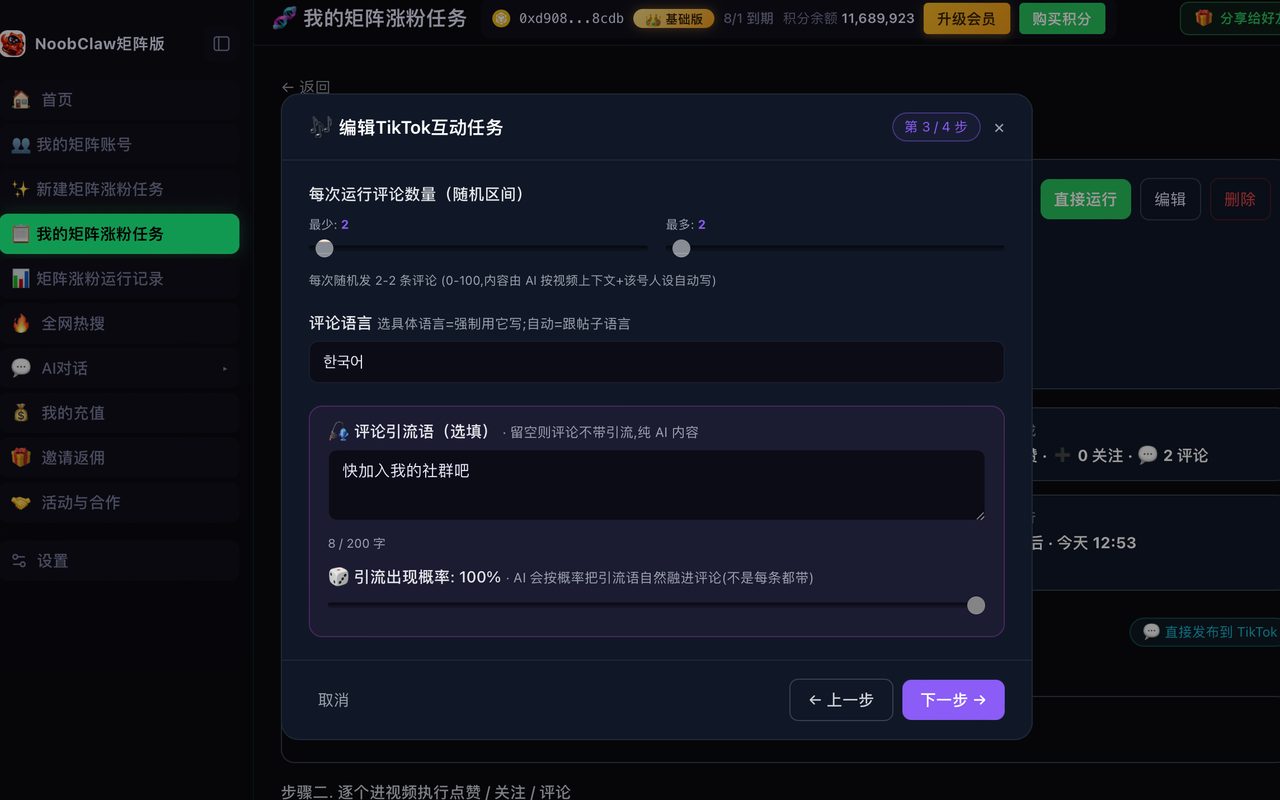
The fix is boring and it works: put the toggle in the artifact, not in someone's memory. Whatever hands off the file — a brief, a scheduling tool, a shared doc — should carry the disclosure state with it. If you publish through automation, the disclosure step belongs in the configuration you set once, not in the reminder you send weekly. Tools like NoobClaw that publish through your own logged-in browser sessions still leave that decision with you; the point isn't which tool, it's that the requirement should live somewhere that can't forget.
Where else this pattern already exists, and what happened there
None of this is unprecedented, which is useful — it means we can look at how ad transparency archives have played out elsewhere instead of speculating.
The major platforms have run advertising transparency libraries for years, largely in response to regulatory pressure around political and issue advertising. The consistent pattern across all of them is that the archive gets used by people the advertiser never had in mind. Competitors mine them for creative strategy. Journalists mine them for stories. Researchers mine them for datasets. Regulators mine them for cases. Brands mine them to check whether a creator they're about to book has a history in a category that would embarrass them.
That last one is the one creators underweight. As branded content archives fill up, they become the default background check. A brand's agency doesn't need to ask you what else you've promoted — they can look. That cuts both ways, and mostly it cuts in favour of creators who have been consistent: a clean, coherent record of disclosed partnerships in a defined category is a credential. A patchy one, where half your deals are in the archive and half of a similar-looking body of work isn't, invites exactly the question you don't want asked.
An archive doesn't punish you for having done brand deals. It punishes you for having done them inconsistently — and consistency is the one variable entirely inside your control.
The second thing worth learning from the older libraries: the record is not the same as the post. It's a structured entry — advertiser, creator, dates, category. That's why "I deleted it" doesn't resolve anything. The post was the thing your audience saw; the entry is the thing the system kept. Those were always two objects, and disclosure archives just make the second one visible.
Which leads to the practical stance: assume permanence, and let that raise your standard rather than your anxiety. If you would be comfortable with a brand's legal team reading a list of everything you've ever disclosed, you're already compliant in the way that matters. If that list would need explaining, the fix is in what you accept, not in what you file.
A pre-publish routine that takes 30 seconds
- Is anything of value involved? Cash, product, affiliate commission, free service. If yes, it's branded content.
- Toggle on. Before you hit post, not after someone asks.
- Is the product clear inside the video? The policy requires it be clear "without requiring viewers to access your profile page or any links."
- Is the category prohibited or restricted? Two different lists, two different outcomes — see the full policy breakdown.
- If restricted: is the brand working through TikTok One?
Thirty seconds against a permanent record is the best trade available to you all year. The same "move the check earlier" logic is why TikTok's video pre-check is worth the pause.
What to keep on your own side
If TikTok is keeping a record, keep a better one. Not out of suspicion — because the platform's archive answers TikTok's questions, not yours.
A single sheet per deal, five columns: brand, date range, platforms posted to, disclosure action taken on each, and the deliverable links. That's it. It takes a minute per deal and it answers, instantly, every question that turns up months later — did we disclose on Facebook too, was that campaign inside the exclusivity window, which of the three videos was the paid one.
Two specific moments when it pays for itself. First, when a brand's new agency asks you to confirm a past campaign's terms and nobody on their side has the file. Second, when you're deciding whether to take a deal from a competing brand and need to check what you agreed to eighteen months ago. In both cases the person with the record sets the terms of the conversation.
The broader point: archives are only asymmetric if only one side keeps one. Platforms are building durable records of your commercial activity either way. Keeping your own turns that from something happening to you into something you can use.
FAQ
Can I get a post removed from the Commercial Content Library?
TikTok's policy language says it may keep content in the library even if the original post is deleted; it does not describe a creator-facing removal path. Treat entries as durable and plan accordingly rather than counting on a takedown route that hasn't been published.
Who can see the library?
Commercial content libraries across platforms exist for transparency and are generally accessible beyond the advertiser — researchers, journalists, regulators and competitors among them. Assume anything filed there is inspectable by someone who is not your audience.
If I never flip the toggle, does anything get filed?
Not through that route — but that's not a strategy, it's a violation. The policy requires the toggle for branded content. Choosing not to disclose in order to stay out of an archive is the exact behaviour the archive exists to surface.
Source: TikTok Branded Content Policy, tiktok.com/legal/page/global/bc-policy/en (official, retrieved 2026-08-22; effective 31 August 2026). Library access and retention specifics beyond the policy text were not independently verified.