
Viral breakdown: 我的诈骗儿子又开带单来割韭菜了,避雷,大家别信,他是采用对冲碰运气的带单,这个平台开高倍,另一个平台反向开,实际上就亏个
What this post is about
A viral post on Binance Square by ShocK牙医的亲爸爸 that pulled 7 likes and 5 comments. Read the original first, then the breakdown of why it worked.
Original post
我的诈骗儿子又开带单来割韭菜了,避雷,大家别信,他是采用对冲碰运气的带单,这个平台开高倍,另一个平台反向开,实际上就亏个手续费,运气好了盈利了吃30%的分润,要是带单亏了,又写小作文忽悠粉丝跟单割韭菜。大家别上当。 #最高法拟制定虚拟货币裁判规则 $BTC
Original images
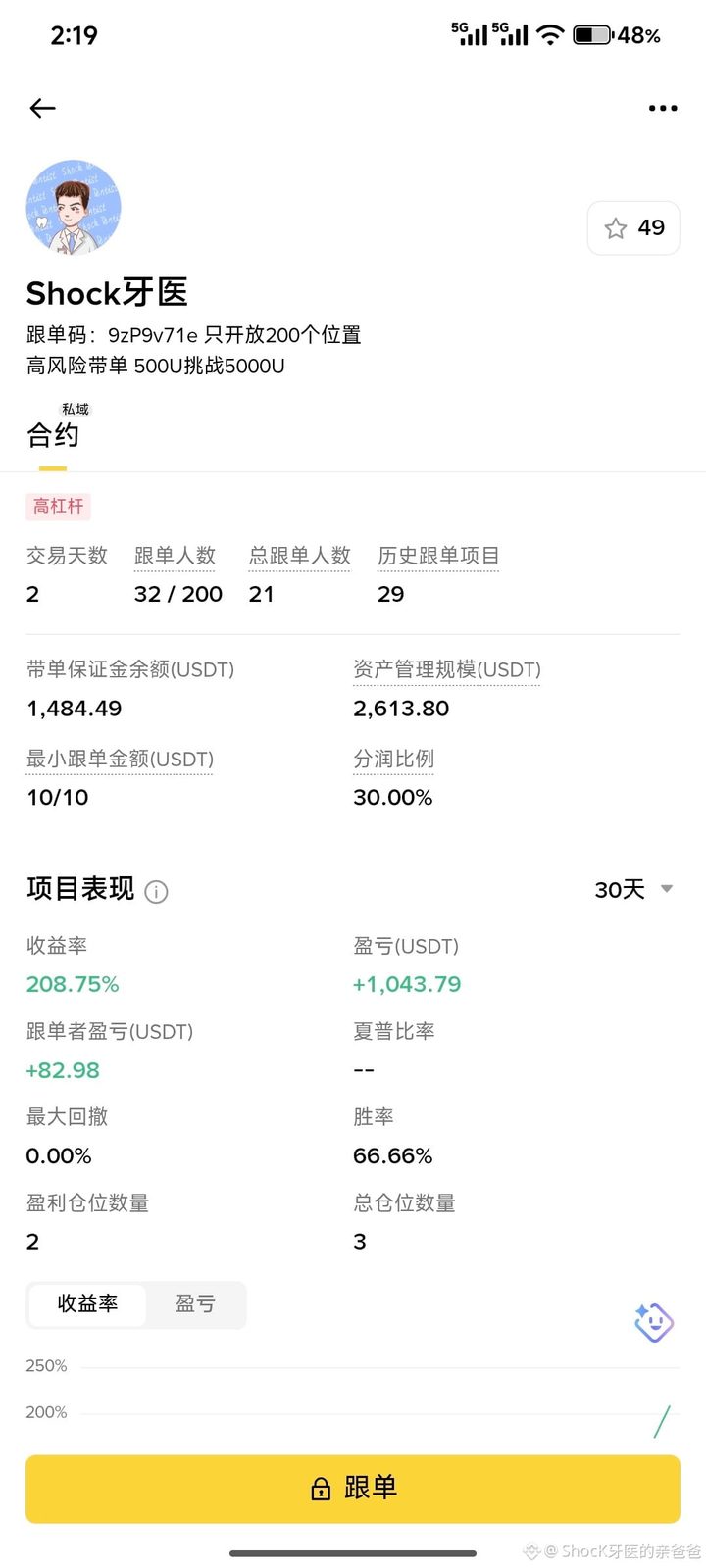
Now, let's break it down
This post went viral because it exposes a specific, easy-to-understand crypto scam technique—hedging with high leverage on two platforms to fabricate winning signals—combined with a raw, personal warning that triggers immediate protective instincts in communities tired of being farmed.
Hook breakdown
- Opening hook: “我的诈骗儿子又开带单来割韭菜了” instantly grabs attention with a dramatic family betrayal framing and the culturally vivid phrase “割韭菜” (cutting leeks).
- Structure: The post moves from accusation → detailed method explanation (two-platform hedging, fee-only loss, 30% profit cut) → call to action (“避雷,大家别信”). This logical flow makes the scam transparent and shareable.
- Emotional lever: Righteous anger mixed with protective urgency—“大家别上当” (don’t fall for it)—turns the reader into a potential victim, triggering the reflex to warn friends.
Reusable template
To replicate this pattern, a creator can expose a scam by mimicking a personal whistleblower tone. Start with a charged relational frame like “我的 [scammer role] 又 [scam activity] 来割韭菜了,” immediately establishing intimacy and urgency. Break down the exact mechanism in plain terms, then close with a direct, protective plea. Finally, add a relevant trending hashtag and ticker to anchor it in current conversations. Example: “我的前合伙人又在用跟单机器人骗新手了,避雷!他就是用两个号对倒交易,一个做多一个做空,总有一单盈利截图发群,然后收费进高级组。大家别信。#加密货币骗局 $ETH”
Want AI to mass-produce content in proven viral patterns across accounts? Guide: Binance Square auto-post · What is a social media matrix