
Viral breakdown: Binance Square post by Traderank (0 likes)
What this post is about
A viral post on Binance Square by Traderank that pulled 0 likes and 0 comments. Read the original first, then the breakdown of why it worked.
Original post
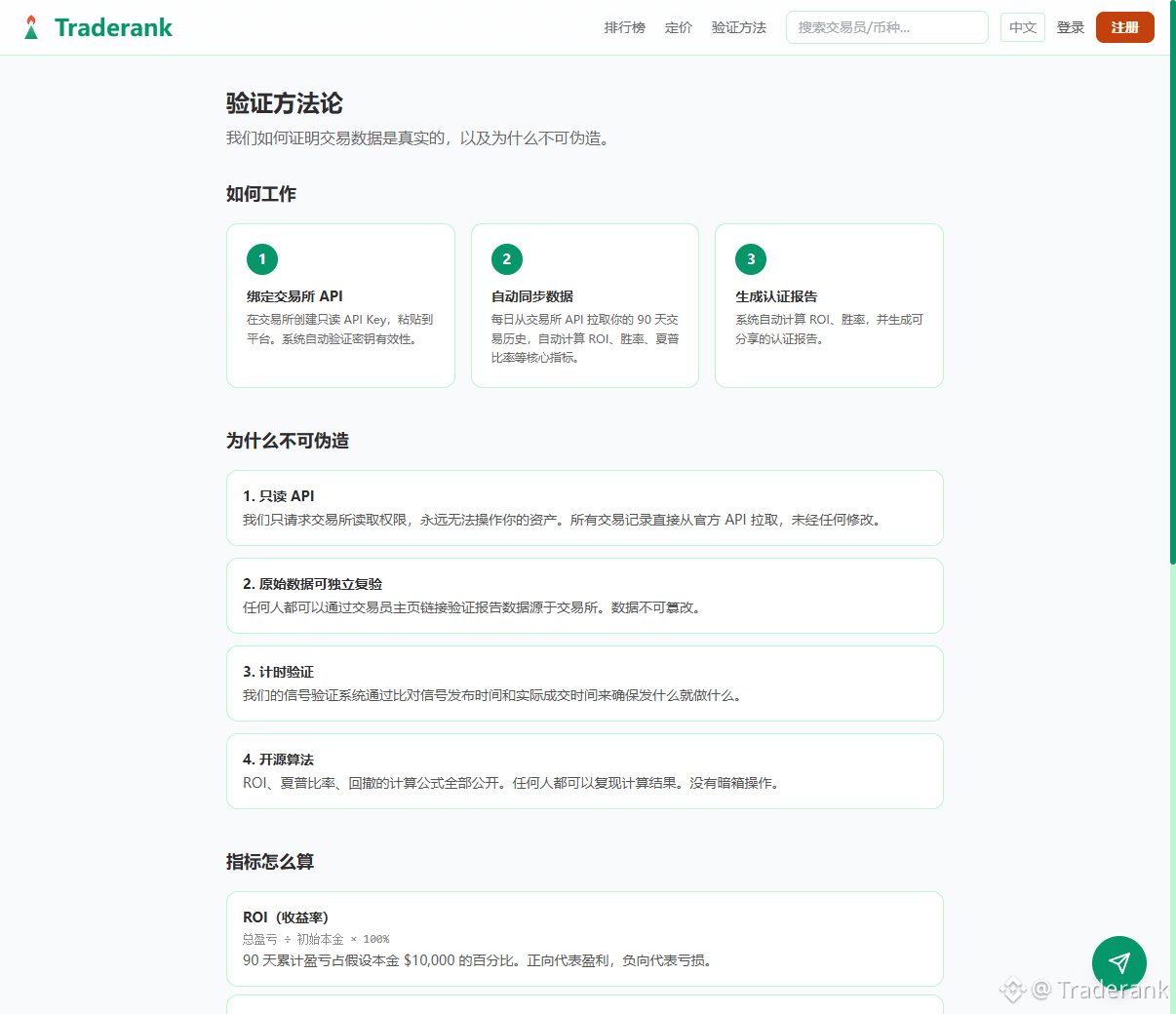
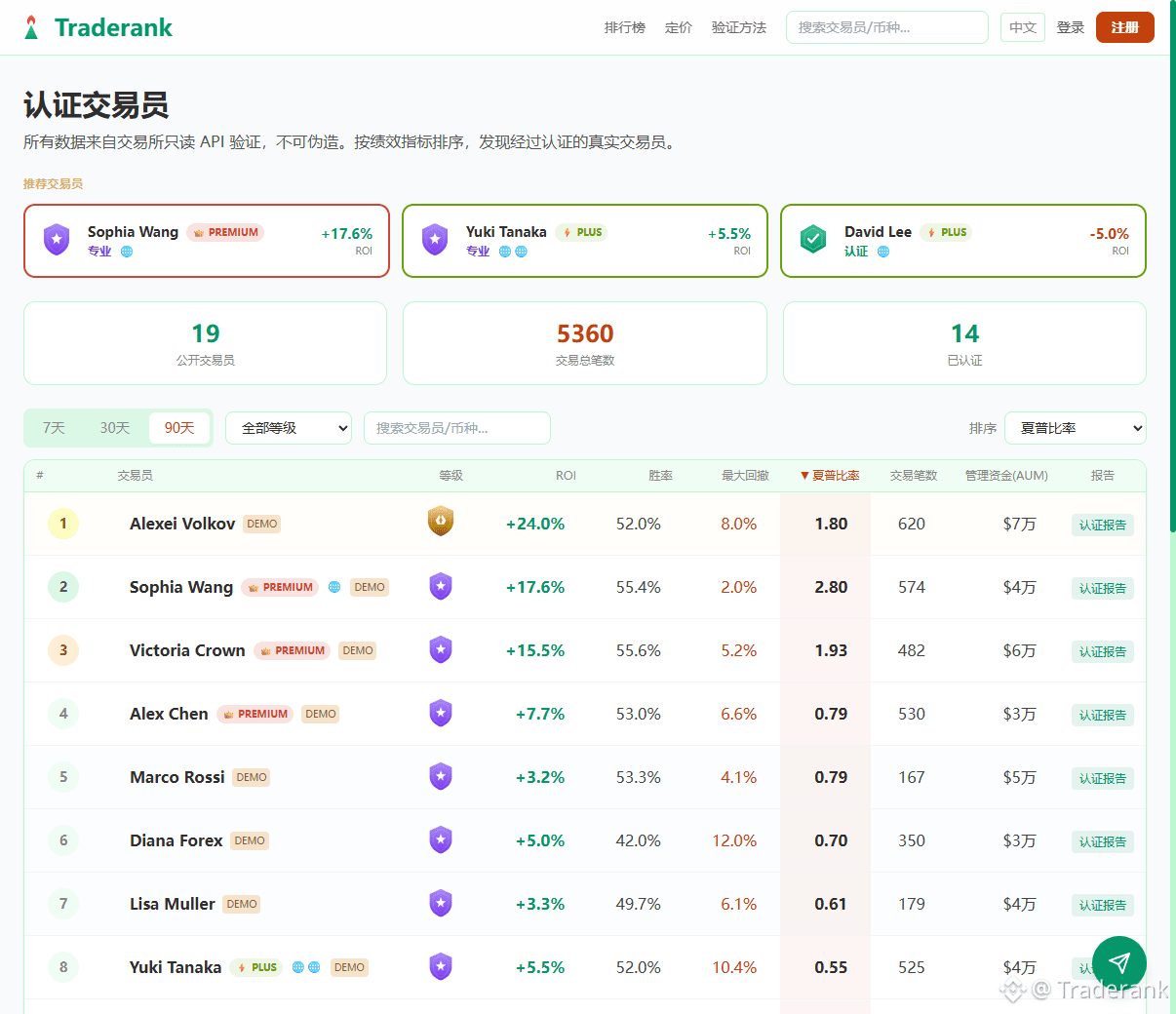
为什么 大部分的跟单群最后都亏? 因为带单的人不需要证明自己。一张 P 的收益图 + 一个群 = 月入几十万。 我们做了一件事:我们认证的交易员,数据是接交易所 API 才能上排名。真数据不会骗人。 traderank.cc #合约交易 #API验证 #Traderank
Original images
Now, let's break it down
The post taps into deep frustration with scam copy‑trading groups by contrasting fake screenshots with a verifiable API‑based ranking, promising radical transparency that no other solution offers.
Hook breakdown
- Opening hook: “为什么 大部分的跟单群最后都亏?” — a direct, relatable question that instantly mirrors the user’s pain point.
- Structure: Problem (fake proof) → implied cost (月入几十万 for scammers) → unique solution (API‑verified rankings), building a quick arc of anger to hope.
- Emotional lever: The phrase “真数据不会骗人” transforms indignation toward P‑图 fraud into trust in an ungameable system.
Reusable template
Any creator in a trust‑broken niche can use this pattern: call out a common lie, quantify the scam’s profit, then present your hard‑verification method as the only fix. For example, in weight‑loss communities: “Why do most before‑after photos fail? Because anyone can Photoshop a flat belly in 5 minutes — and sell a course for $100k. We connected our coaches’ body‑scanner data directly from gym APIs, so every graph is inspection‑proof. Real data won’t lie to you.” Keep the language blunt, show the scammer’s gain, and anchor your solution to an irreversible data source.
Want AI to mass-produce content in proven viral patterns across accounts? Guide: Binance Square auto-post · What is a social media matrix