Instagram Reel Cover Not Changing: Editing Checks
- "Cover" covers three separate things: the frame shown in the Reels player, the crop shown on your profile grid, and the thumbnail others see when it is shared.
- The most common cause of "it did not change" is that you are looking at your own cached client. Check from another account before concluding anything.
- What you can change after posting is narrower than what you can change before posting — and the pre-post editor is where the leverage is.
- Changing a cover does not re-push the Reel, so it will not rescue a video that has already run its distribution window.
You picked the wrong frame. The Reel is up, it is doing fine, and the cover is a half-blink and a blurred hand. You go in to change it — and either the option is not where you remember, or you change it and nothing happens.
Before you try a fourth time: "cover" is not one thing on Instagram, and which one you are trying to edit determines whether you can.
Three things wearing one word
| What it is | Where it shows | How editable |
|---|---|---|
| The cover frame | The first frame in the Reels player and in feeds | Most flexible before posting; more limited afterwards |
| The profile grid crop | Your profile grid, in a different aspect ratio | Set separately — a good cover can still be cropped badly here |
| The shared thumbnail | Link previews, other surfaces, other apps | Derived, and slowest to update |
That second row explains a large share of the complaints. People fix the cover, look at their profile, see the old bad crop, and conclude the edit failed. It did not fail — the grid is a separate frame with a separate crop, and the two are set in different places.
Half of "the cover did not change" is actually "a different cover did not change".
Check from outside your own client first
This costs thirty seconds and resolves more of these cases than any settings advice.
- Open your profile from another account, or logged out. Your own app aggressively caches thumbnails; you are frequently the last person to see your own change.
- Check both surfaces — the Reel in the player and the tile on your grid. They update independently.
- Give it a little time, but not much. If a change has propagated for a viewer on another account, the job is done and your client will catch up. If it has not propagated for anyone after a while, the edit probably never saved — redo it rather than continuing to wait.
The general principle here is one we come back to constantly: what your own dashboard shows and what the world sees are not the same thing. It is the same reason we recommend checking from a second account when diagnosing a Collab post that disappeared.
What is genuinely limited after posting
Instagram's editing surface for a published Reel is narrower than the one you get before publishing, and the boundary moves between app versions. Rather than memorise a list that will be wrong next quarter, use this test:
Anything that changes how the video itself was rendered is effectively locked. Anything that is metadata around it is usually editable.
Caption, tags, location — metadata, generally fine. The actual frames, the clip, the burned-in elements — those were decided at upload. A cover sits awkwardly between the two, which is exactly why this question generates so much confusion. For the wider picture of what survives editing, see what you can and cannot edit on a Reel after posting.
Why changing a cover will not rescue a Reel
This is the expectation worth correcting, because getting it wrong leads people to expensive actions.
A Reel gets distribution in a window. It is shown to a set of people, their behaviour decides whether it travels further, and by the time you have noticed the numbers are disappointing that window is usually closing. Editing the cover at that point changes what future profile visitors see. It does not change what already happened, because editing does not trigger a fresh push.
So the correct expectation is: a cover edit is asset maintenance, not resuscitation. It improves the long-tail value of the Reel on your profile. It will not make today's numbers move.
People who expect resuscitation and do not get it tend to escalate — delete and repost, then repost again, then start suspecting suppression. That escalation costs far more than the bad frame did. If your Reel genuinely underperformed, the "stuck at X views" family of explanations is a better place to look, starting with the fact that there are seven different numbers in circulation.
Move the work upstream
Everything above is remediation. The structural fix is to stop needing it.
A cover is not something to discover after upload. It is a production decision — the frame, the crop that survives the grid, the text placement that clears the UI overlays on both surfaces. Deciding all of that before the file is rendered costs nothing; fixing it afterwards costs a partly-locked editor and a cache you do not control.
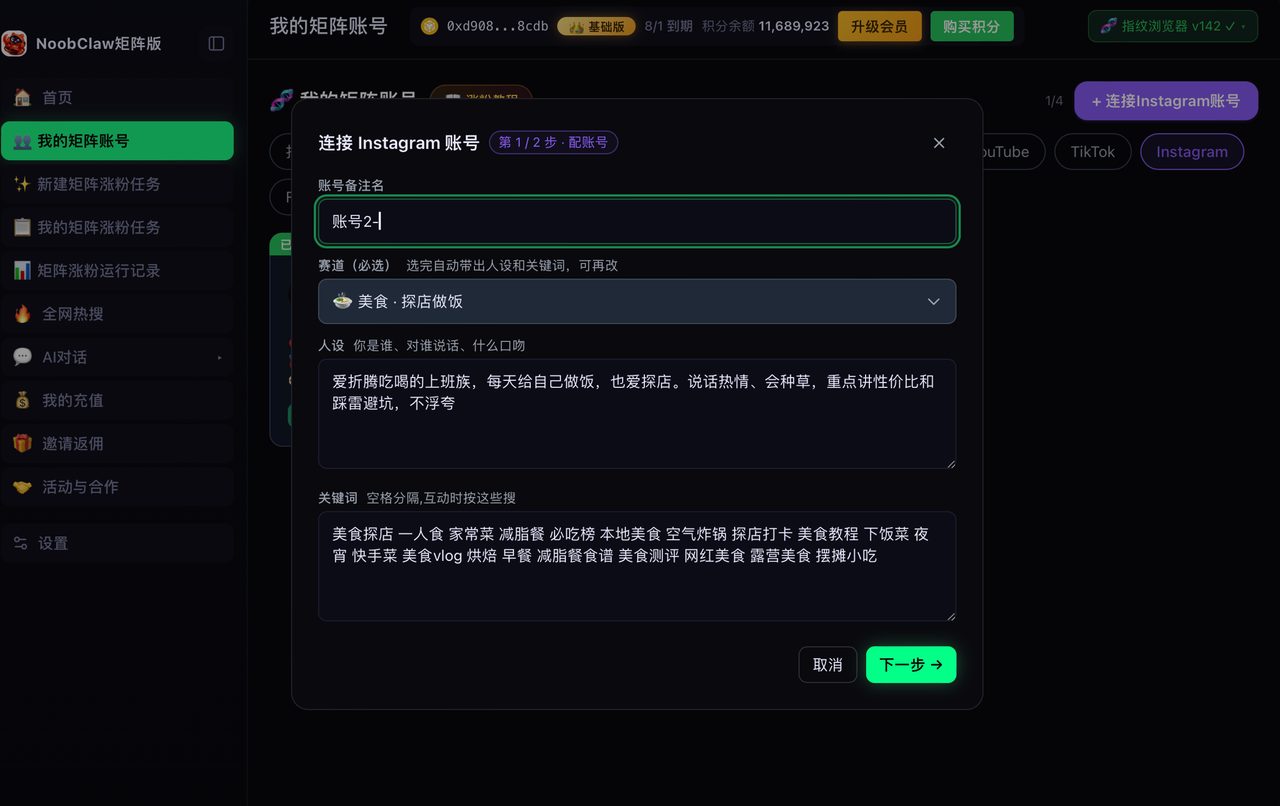
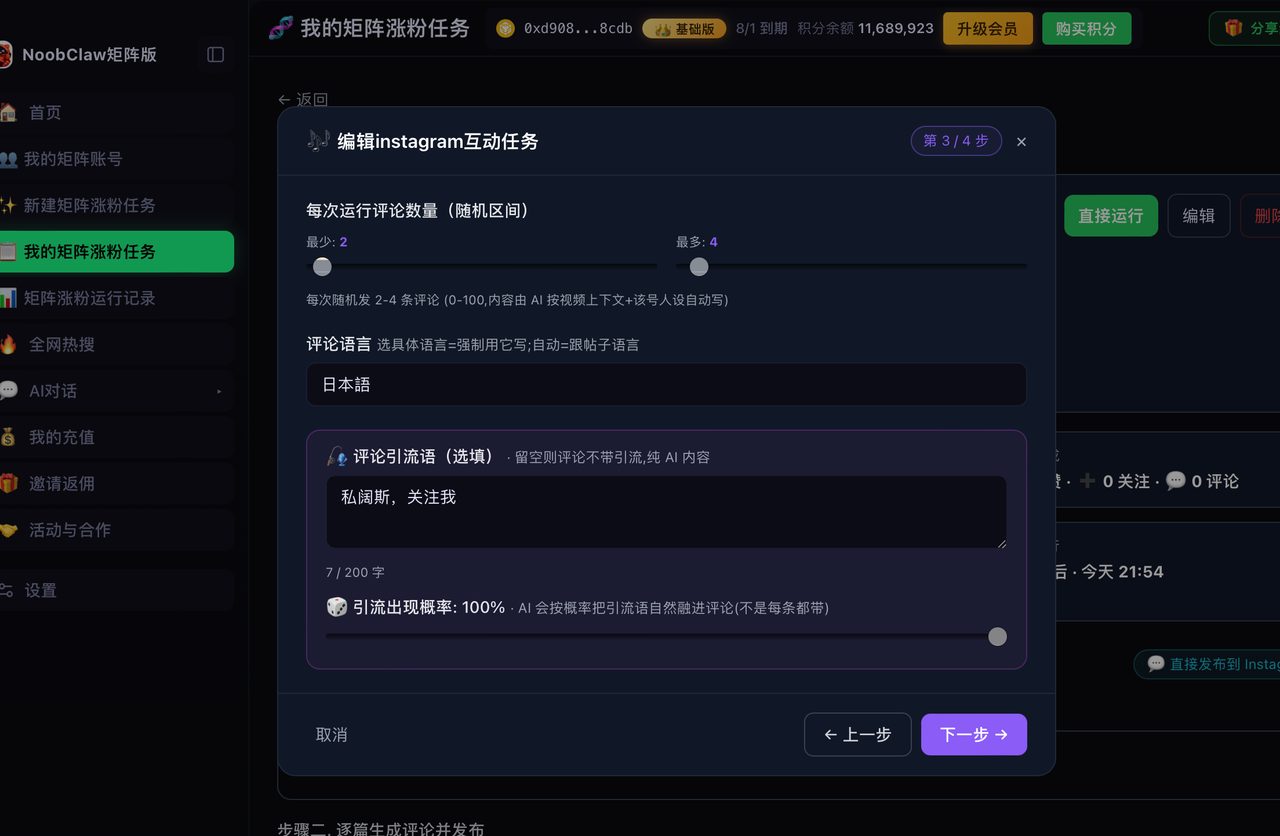
At one Reel a week you can do this by eye. At volume across several accounts it needs to be part of how content is produced: aspect ratio, safe areas, subtitle position and cover frame chosen at generation time rather than negotiated with an editing screen afterwards. That is how our own video pipeline is set up — frame ratio, subtitles, voice and cover framing are configuration, so the exported file already fits the surface it is going to. Related: posting the same content to TikTok and Instagram, where the answer is yes, but not the same file.
Designing a cover that survives both crops
Since the player frame and the grid crop are different shapes, a cover only works if it was built to survive both. Three constraints do most of the work:
- Keep the subject centred and away from the edges. The grid takes a narrower slice than the player. Anything important near the left or right edge is the first thing to disappear.
- Keep text out of the bottom band and the top corners. Those are where the interface lives — caption, handle, action buttons — and they overlay differently on each surface. Text that reads perfectly in your editor can end up sitting under a button.
- Test at thumbnail size, not full screen. Most people will meet this cover as a small tile among eight others. If the point is not readable at that size, the cover has failed regardless of how good it looks on your phone.
The most common mistake is designing for the player, because that is what you are looking at when you choose the frame. But the grid is where covers do their long-term work — it is the surface a new visitor scans when deciding whether to follow you, and it is the reason a cover is worth fixing at all after the video has stopped travelling.
There is a second-order benefit worth noting: a grid that reads as a coherent set does more for follow rate than any individual cover does. That is an argument for deciding cover style once, as part of how the account is defined, rather than choosing frames one at a time and hoping they cohere.
FAQ
Why does my Reel cover look right in the player but wrong on my profile?
Because the grid uses a different crop of a different aspect ratio, set separately. A cover that is perfect in the player can still be cropped badly on the grid — you need to check and set both.
I changed the cover and nothing happened. Did it save?
Check from another account before assuming it failed. Your own client caches thumbnails and is often the last to update. If a viewer on another account still sees the old image after a while, the edit did not save — redo it.
Does changing the cover affect reach?
Not directly. It does not create a new push, so it cannot restart distribution. What it changes is the click decision of people who arrive at your profile later, which is a long-term benefit rather than an immediate one.
Take this away
Three covers, one word. Work out which one you are editing, verify from outside your own client, and set expectations at "asset maintenance" rather than "rescue". Then move the decision upstream so the next one never needs fixing.