
n8n Social Media Automation Templates: The Workflow Is the Easy Half
- Every n8n social publishing template shares the same shape; the difference between one that works and one that does not is credentials, not nodes.
- Three things a template cannot include: a platform developer app, an approved audit status, and your rate-limit allowance.
- Blotato ships official n8n and Make nodes, which is the shortcut most templates quietly depend on.
- The failure mode is silent: an unaudited TikTok client posts successfully and the video is private, so your workflow logs success while nothing is visible.
Search for an n8n social media automation template and you will find dozens. Download three and you will notice they are the same workflow: a trigger, an AI node that writes something, maybe an image or video node, then a publish node, then a logging step to a spreadsheet.
That is not laziness on the authors part. That genuinely is the workflow. Which raises the question nobody asks before spending a weekend on this: if the workflow is trivially copyable, why do most people copy one and never get it running?
The template contains the easy 20 percent
A template is a JSON file of node definitions. It can encode logic, prompts, branching and formatting. There are exactly three things it structurally cannot contain, and all three sit between you and a published post.
- A platform developer app. Instagram, TikTok, LinkedIn and X all require you to register an application, describe its purpose, and receive credentials. The template cannot ship these, because they are tied to an identity.
- An approved audit status. TikTok in particular distinguishes audited from unaudited API clients, and the consequences are severe — see the next section.
- Your rate-limit allowance. Quota is attached to the app and the account, not the workflow. A template that loops over fifty posts will hit the same wall as hand-written code.
A workflow template is a recipe that assumes you already have the kitchen. Almost everything that stops people is the kitchen.
The silent failure that wastes the most time
This one is worth internalising because it produces the most confusing symptom in the whole category.
TikTok developer documentation states that content posted through an unaudited API client is restricted to SELF_ONLY viewership, and that unaudited clients can allow at most five users to post in a 24-hour window, with all posting accounts set to private at the time of posting.
Now picture that inside n8n. Your HTTP node gets a 200. Your workflow logs success. Your spreadsheet fills with green rows. And nothing is visible to anyone but you. Then you go looking for the answer and the internet tells you that you have been shadowbanned, so you spend a month fixing a problem you do not have.
The two-minute diagnostic: open the post URL from a logged-out browser or a second account. If it does not load, it is private, not suppressed. We wrote the full version in TikTok API posting limit.
Why almost every working template routes through a vendor
Look closely at the templates that actually run and most of them do not call the platform directly. They call an aggregator that has already done the app registration and the audits.
Blotato lists official n8n and Make nodes in its feature set and has built out MCP server setup pages per platform. Post Bridge includes MCP agent connect on every tier. Postiz ships a CLI and agent documentation. Zernio positions itself as everything social in one API with webhooks for post status, messages and comments.
That is the shortcut, and it is a legitimate one — you are paying someone to hold the credentials and the audit status. But it means the honest description of most n8n social templates is: an n8n workflow that orchestrates a paid publishing API. The n8n part is free. The part that publishes is not. Compare the two cost models in Blotato vs n8n.
A template checklist before you spend the weekend
- Open the publish node first. Does it call a platform endpoint directly or a vendor one? That single answer tells you what this will cost and how long setup takes.
- Check the date on the template. X closed its free developer tier to new applicants in February 2026 and moved to usage credits; any template older than that assumes an account type you cannot get. See X API free tier limits in 2026.
- Look for a retry loop with no backoff. Rate-limit errors retried immediately are how people get their app credentials throttled on day one.
- Count the accounts the template assumes. Most are written for one. Scaling to twelve is not a loop — it is twelve sets of credentials, and on TikTok it may be capped at five per day.
None of that argues against n8n. It is excellent at the parts it is good at: triggers, transformation, branching, glue. The mistake is expecting it to solve the publishing leg, which is a credentials and quota problem wearing a node costume. The deeper version of this is in where the publishing step actually breaks.
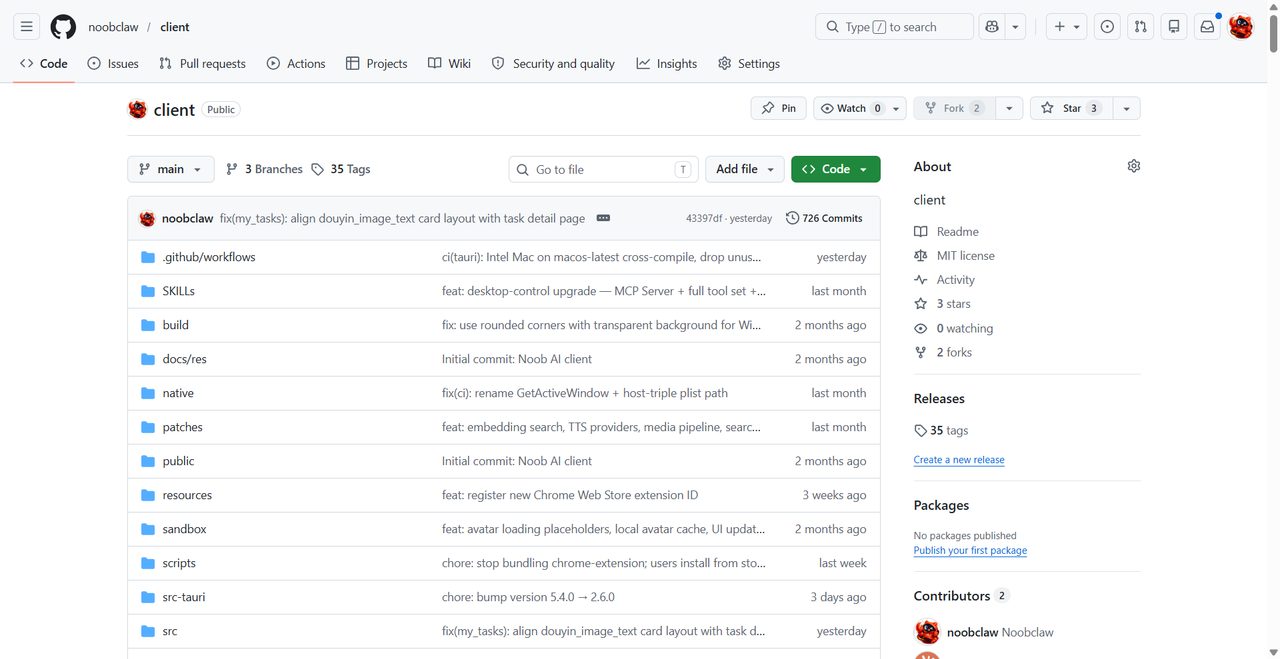
For completeness: the other way around the credential problem is not to use the API at all, and instead publish from browser sessions you are already logged into on your own machine. That is the model NoobClaw uses, and it removes the app-registration and audit layer entirely at the cost of requiring a running machine. Whether that trade suits you depends on whether your bottleneck is setup friction or uptime.
The setup order that saves the weekend
Most people import the template first and then start collecting credentials as each node fails. That order guarantees the maximum amount of context-switching and the maximum chance of giving up at node four.
Reverse it. Do the credential work first, in one sitting, before you open n8n at all.
- Pick one platform — the one that carries most of your output. Not all of them.
- Register the developer app and read its posting documentation end to end. Twenty minutes. You are looking for three things: the audit or review requirement, the published rate limit, and whether posts default to public.
- Post one item by hand through the API, with a terminal or an HTTP client. No n8n. If you cannot do it manually, no workflow will do it for you, and you will have saved yourself a day of debugging the wrong layer.
- Only then import the template and wire in the credential you have already proven works.
- Add the second platform a week later, repeating steps two and three. Platforms fail in different ways and debugging two unknowns at once is how workflows get abandoned.
The single most valuable step is the third. It separates the API will not let me do this from my workflow is wrong, and those two problems have nothing in common — one is a paperwork problem measured in days of review, the other is a fifteen-minute fix.
Prove the credential by hand before you automate it. Automation multiplies whatever you built, including a misunderstanding.
One more piece of ordering advice: build the logging step before the publishing step, and log the full API response rather than a success flag. The TikTok private-post failure above is invisible if you only record whether the call returned 200, and visible immediately if you record what came back.
FAQ
Can I run n8n social automation entirely free?
Self-hosted n8n is free, and some platforms still issue free API credentials. The combination that is usually not free is X plus TikTok plus Instagram simultaneously, which is exactly the combination most templates assume.
Why does my template work for LinkedIn but not TikTok?
Almost always audit status. LinkedIn approves standard posting scopes relatively readily; TikTok gates public posting behind an audit and confines unaudited clients to private posts and five posting users per day.
Are the official vendor n8n nodes worth paying for?
If your time is worth anything and you need more than two platforms, usually yes. The nodes are not the value — the maintained credentials, audited clients and updated endpoints behind them are.